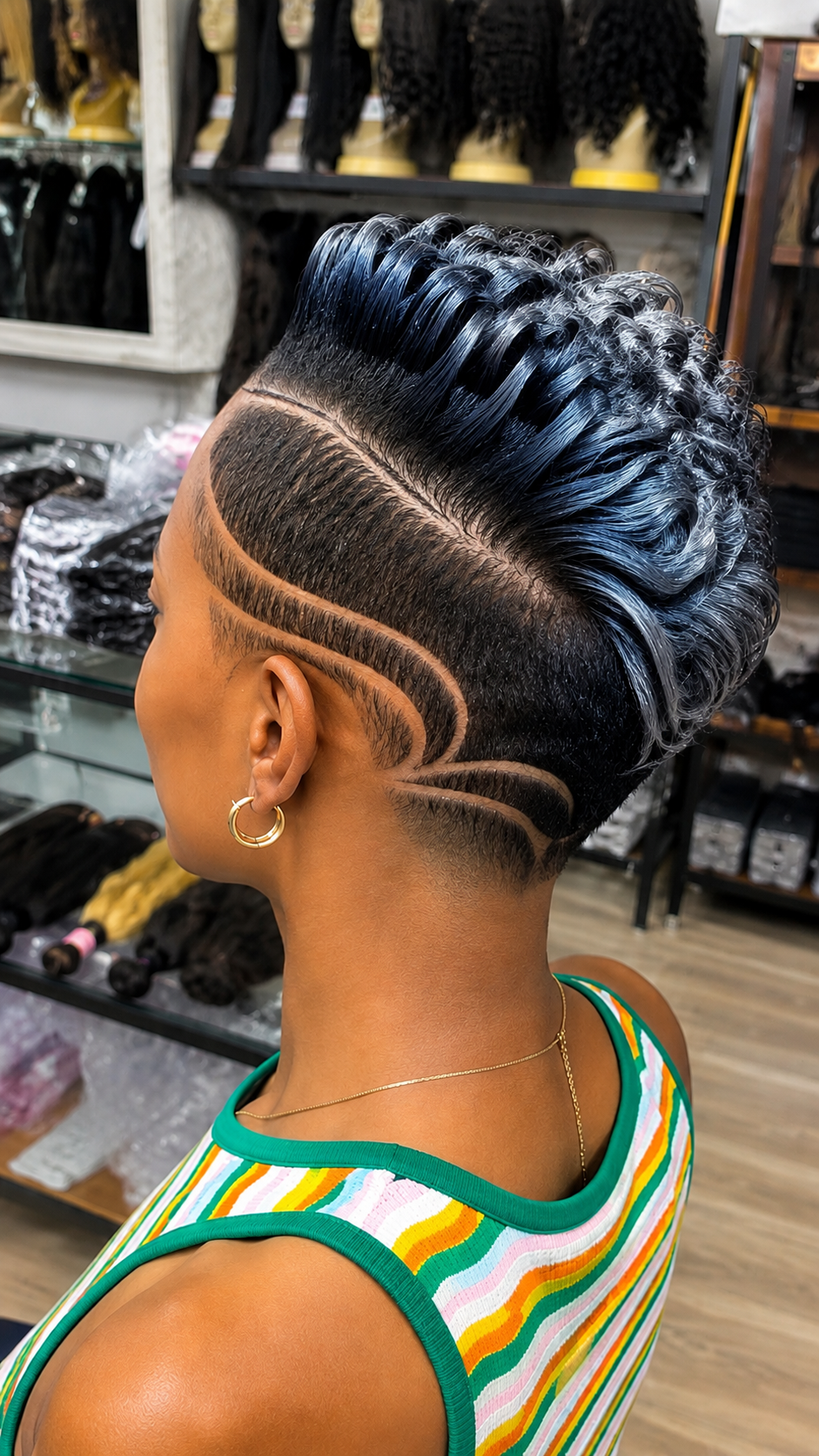
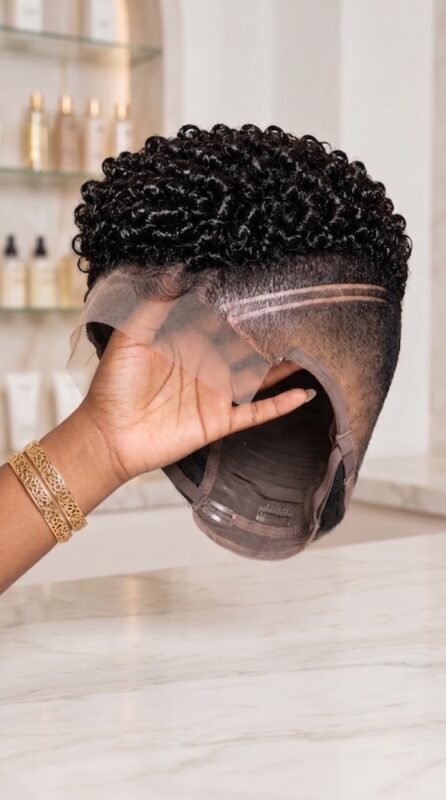
Every silver strand here was lifted and toned by hand from black, while the dark roots were left as they came, and that difference in how the two ends were made is a difference in how they must be kept. A black-to-silver unit looks like a single dramatic colour, but it is really two colours with opposite needs sharing one piece, and treating it as one uniform shade is the mistake that ages it fast. The dark section is natural, strong, and almost maintenance-free. The silver section is heavily processed, fragile, and demanding. Same unit, two entirely different care regimes, and you have to give each what it needs rather than caring for the whole as if it were one.
Understanding the split makes the unit easy to look after. The black roots and front are unlifted or barely touched, so they hold their colour, resist damage, and ask for little beyond normal washing. The silver ends are lifted to the maximum and toned, which makes them the delicate, high-maintenance part: they yellow without a purple product, they dry out and turn brittle faster than any other section, and they are where breakage will start if the unit is handled roughly. So the light end is doing all the work of a demanding colour while the dark end coasts.
The trick is to care for each accordingly. Baby the silver, with toning, extra moisture, and gentle handling, and leave the black to look after itself. Judge the unit knowing the silver is where it will age first and need attention, because on a black-to-silver piece, the colour you love most is also the one that needs you most.
Where To Buy A Black-To-Silver Pixie Wig
Custom makers who lift and tone in-house can build a clean silver from black and advise on keeping it, so ask how the silver ends are toned and how to maintain them. A maker who understands the split will talk about babying the light section; one who does not may deliver silver ends that yellow or break fast.
Instagram and TikTok sellers show the contrast at its freshest, so ask what the silver looks like after washing and how it holds up. A black-to-silver pixie wig is at its best new, and you want to know how the fragile light ends age, not just how the drama looks on day one.
Etsy works with makers who explain the upkeep of both tones and have buyer photos over time. The risk is a stunning fresh contrast with no word on the silver’s fragility. Read reviews for anyone describing the silver yellowing, drying, or breaking.
Marketplaces like Amazon, AliExpress, and Temu are where a synthetic black-to-silver can be the smarter buy, since synthetic holds the silver tone without yellowing and without the fragility of lifted human hair. For this high-contrast look with low upkeep, a good synthetic often wins. Judge the silver’s tone in daylight.
Local beauty supply shops and salons let you feel whether the silver ends are soft or already dry and see the true contrast in daylight. You pay a premium in-store, but feeling the fragile light section tells you how well it was processed.
Vendors and wholesalers direct vary in how gently the silver is lifted, and a harshly processed light end arrives dry. For a durable silver, a maker who lifts carefully beats cheap bulk colour.
Regionally, high-contrast colour work comes from Lagos, Accra, Atlanta, London, and across South Africa, where dramatic two-tone units are popular and easy to see worn on video.
Vet the seller the usual way: check the account age, look for real buyer photos, time a plain question for a genuine reply, and ask how the silver ends are toned and how fragile they are. A seller honest about the silver’s upkeep understands the split.
Red flags: silver ends shown only freshly toned, dry or brittle light sections in close photos, no mention of the silver’s fragility, and a human unit priced high for a silver a synthetic would hold better.
When you order, send your measurements and ask how to care for the silver section specifically, and say you know the two ends need different upkeep. That tells the maker you understand the unit is really two colours.
Contact / order inquiries: WhatsApp [WhatsApp: +XX XXX XXX XX XX].
How Much It Costs
A black-to-silver pixie wig costs more than a solid colour, because the silver end is a full lift plus toning, real work, and its upkeep is concentrated in that fragile light section.
Tiered pricing. Human hair, black lifted to silver at the ends, full build, glueless with a fine lace: roughly $230 to $490, since the silver is maximum-lift colour work. Human hair, mid build: about $190 to $380. Human hair, basic cap: around $120 to $270. Good synthetic in a stable black-to-silver: $70 to $150, often the smarter buy. Basic synthetic: $30 to $65.
What that includes and excludes. The price covers the unit and both tones. It excludes shipping, any customs, and the toning and moisture the silver needs, which sit on top.
Shipping and duty. These sit outside the price and change with where you live, so plan a realistic band and confirm your own country’s import rate.
Ongoing costs. Almost all the upkeep is on the silver: a purple product to stop yellowing, deep moisture for the lifted ends, and gentle handling to prevent breakage. The black needs little. So the running cost is real but concentrated in one section, which makes it manageable if you focus there.
First-year total. A human black-to-silver unit plus shipping plus any customs plus silver upkeep tends to land above a natural unit’s year, driven by the light section. A synthetic version lands lower and steadier, holding the silver without toning.
Cost per wear. A synthetic black-to-silver holds its contrast for far less effort than a human one whose silver yellows and dries, which for this look often makes synthetic the better value.
What a very low price signals. A cheap human black-to-silver often means harshly lifted, brittle silver ends that arrive dry and break early. Judge the softness of the silver, since that is where a low price shows.
Deposit structure. For custom work, thirty to fifty percent down with the balance before shipping is standard. Use a method you can dispute, and ask for a daylight photo of the finished silver before releasing the last part.
Shipping, Delivery, And What To Expect After Ordering
A black-to-silver unit arrives with its dark section fine and its silver section at its most fragile, so plan to treat the light ends gently from day one. Ask that it ship so the style is protected, choose a tracked service for custom coloured work, and confirm your country’s import charge before it lands. When it arrives, check the silver in daylight for tone and feel whether it is soft or dry, then deep-condition the light ends and use a purple product if they show yellow. What you unbox is the contrast at its freshest, and the silver is the part to start caring for immediately.
The Silver Is The Fragile, Demanding End
Because the silver is lifted to the maximum, it is the most porous, driest, and most breakage-prone section of the unit, and it needs the most care. This is where moisture, gentle handling, and toning all matter, and where neglect shows first as yellowing, dryness, or breakage. Treat the silver ends as the delicate part they are, and the unit lasts; handle them like the sturdy black roots, and they give out early.
The Black Looks After Itself
By contrast, the dark section is natural or barely processed, so it holds its colour, resists damage, and needs little beyond normal care. This is the easy half of the unit, and it is worth knowing so you do not waste effort babying hair that does not need it. Focus your care where it counts, on the silver, and let the black simply be.
Toning Keeps The Contrast Clean
The thing that keeps a black-to-silver looking sharp is a clean, cool silver, and lifted silver yellows without help. A purple product used on the light ends cancels the warmth and keeps the silver bright against the black, preserving the crisp contrast that makes the unit striking. Skip it and the silver drifts yellow, muddying the whole look. Toning is the single most important habit for this unit, applied only where the silver is.
Before You Pay
- Are the silver ends soft and well-toned, or dry and yellowing?
- Do I understand the light section is fragile and high-maintenance?
- Am I ready to tone, moisturise, and gently handle the silver specifically?
- Would a synthetic hold the silver contrast with far less upkeep?
- Is the black section sound, since it should need almost nothing?
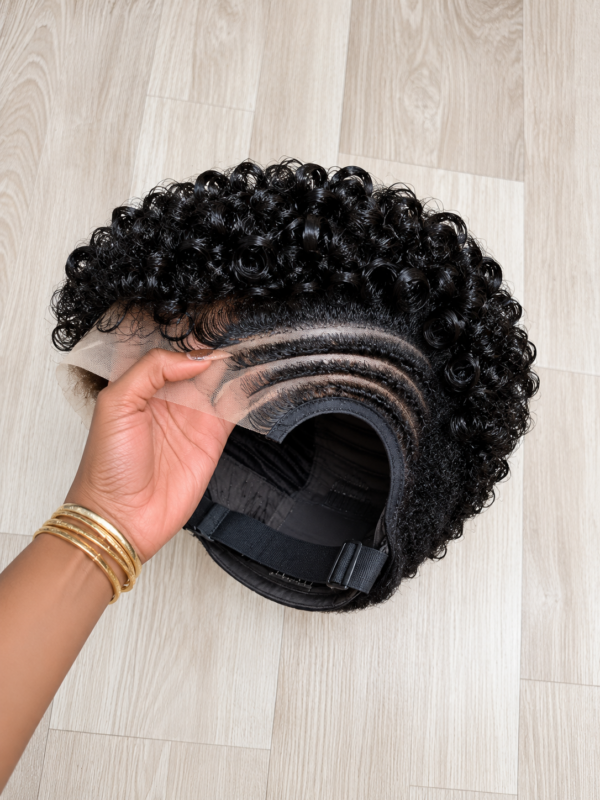
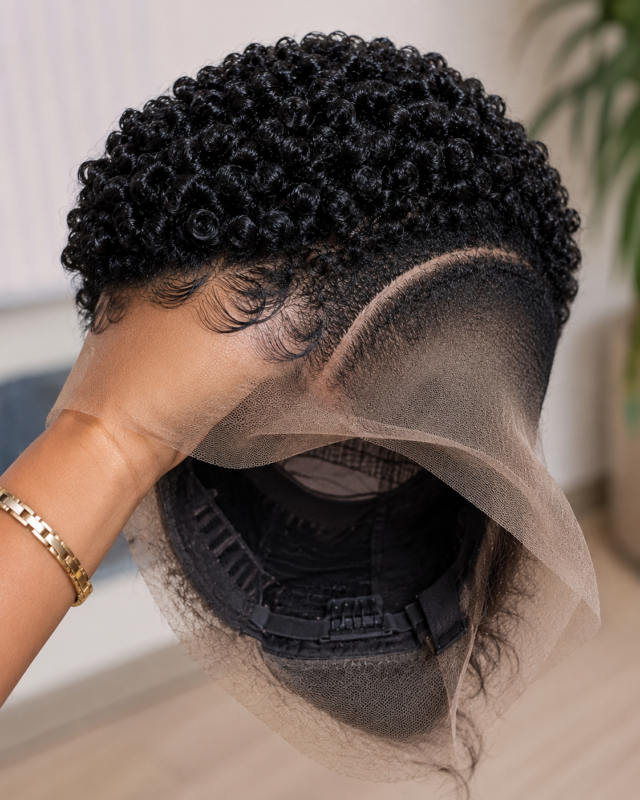
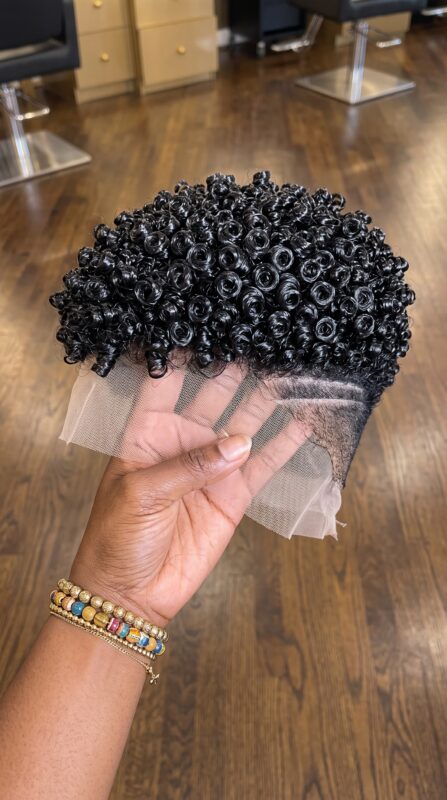
Trimming The Lace
The lace comes off the front the usual way, and here the front sits in the dark section, so the hairline is the low-maintenance part to cut, while the fragile silver is elsewhere. Trim in small offset steps and leave a shallow margin rather than cutting flush, in daylight. If this is your first high-contrast unit, let a stylist make the first pass, and ask them how to care for the silver ends while you are there, since that is the part that needs the knowledge.
Search Terms
black to silver pixie wig · silver ombre short wig · two tone grey curl pixie · black grey ombre pixie unit · silver melt short curl wig · carved silver pixie lace · dark root silver pixie wig · high contrast ombre short wig
Final Thoughts
This black-to-silver unit reads as one dramatic colour, but it is really two with opposite needs, and caring for it well means treating each end differently. The black is natural, durable, and nearly maintenance-free. The silver is lifted, fragile, and demanding, prone to yellowing, drying, and breakage, and it is the part that carries all the upkeep. The mistake is caring for the whole unit as one colour; the fix is babying the silver and leaving the black alone.
Buy it knowing the light end is where the unit ages first and needs you most, so tone it, moisturise it, and handle it gently, or choose a synthetic that holds the silver with little effort. Judge the softness of the silver at purchase, since that is where quality and neglect both show. A black-to-silver pixie wig is one of the most striking looks there is, and keeping it that way is simple once you accept it is two colours in one, and give the demanding half the care it asks for.